|
|
|---|


Wednesday, February 13, 2008
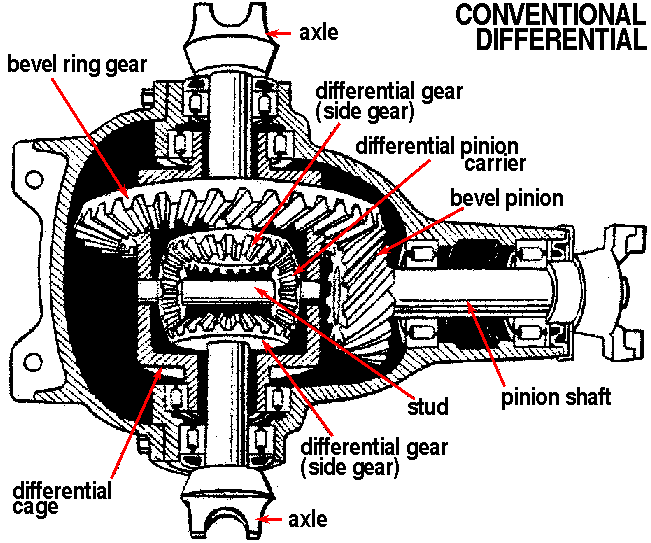
The Normal Differential
On every car a basic differential is fitted to distribute the engine's power to the driving wheels. The basic differential gear supplies the power to the wheels which is/are loaded with least resistance. 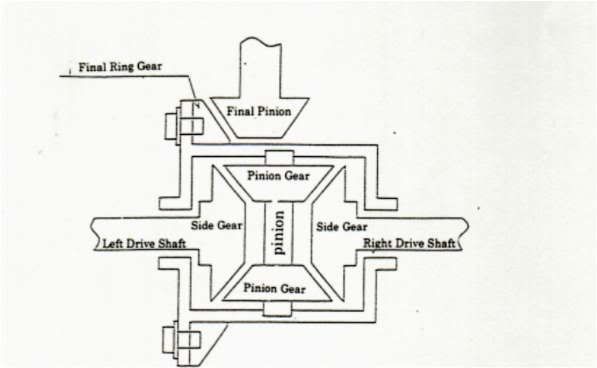
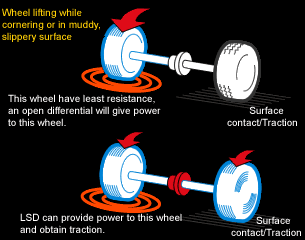
Limited Slip Differential
An LSD is constructed similarly to the normal differential As you can see, the pressure plate rings have the side gear, the pinion and the pinion gears locked inside and behind each pressure rings are a number of clutch plates.
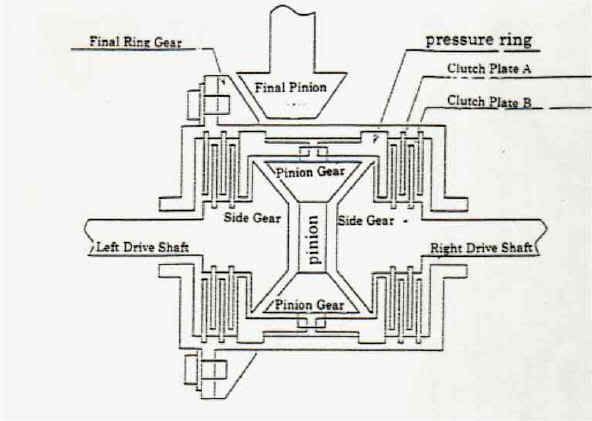 When torque is applied to the differential, the differential case will rotate and throw the pinion into the pressure ring cam. The pressure ring is then pushed out against the clutch plates thereby squeezing them together. This in turn causes the wheels to gradually lock together, depending on the power applied. This effect limits the wheel spin during hard cornering and applies power to the wheels evenly when more power is applied. On acceleration and deceleration, it provides even grip and on neutral power, it frees up for less drag and easier turning.
Different Type of LSD Configurations (1 Way, 1.5 Way & 2 Way)
 A 1 way differential means that the cam is shaped in such way as to have positive lock only when accelerating.
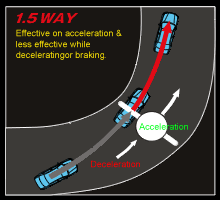 lock when decelerating. The 1.5 way can provide more forgiving balance when braking than a full 2 way setup, although it is less effective for true racing applications, it provides easier operation for beginners in throttle off conditions. 1.5 way is also very effective for front wheel drive cars which need extra stability during braking.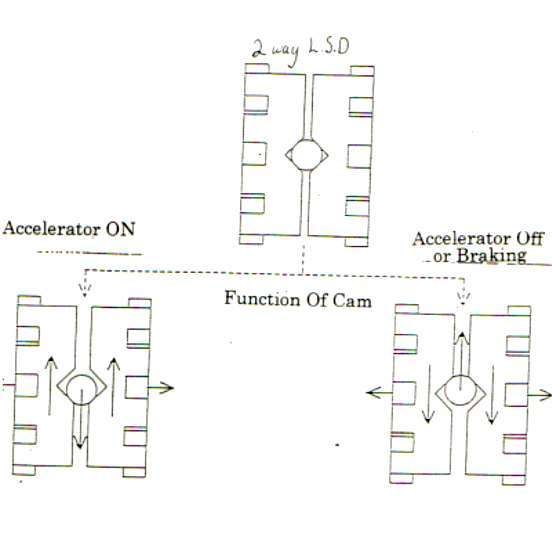
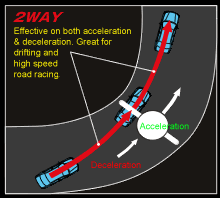 The 2 way is constructed in a way to have positive lock motion in both acceleration and deceleration mode
Comparison of LSD
A viscous type, torsen type and helical type are some of other designs used as OEM equipment or optional LSD unit. These designs are commonly used since they are less aggressive and easier to maintain than the clutch type racing LSD unit. In order to achieve the maximum traction control, most OEM performance divisions and aftermarket manufactures use the clutch type design for their LSD unit.
Wednesday, February 6, 2008

Cobra MKIV CRS AC Sports Car 4942 cc V8 Engine.
The AC Cobra CRS will use the same five-speed gearbox as the Superblower, together with a Hydratrak limited slip differential, independent front and rear suspension, rack and pinion steering and disc brakes all round (ventilated at the front).
The AC Cobra MKIV CRS is closely related to the AC Superblower (the CRS shares its chassis and a naturally aspirated version of its power unit). Significant weight savings have been made possible on the AC Cobra MKIV CRS through the use of an advanced specification carbon fiber body.
Saturday, February 2, 2008





Friday, February 1, 2008

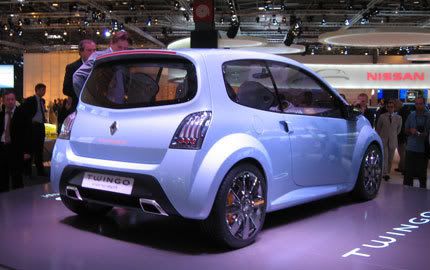
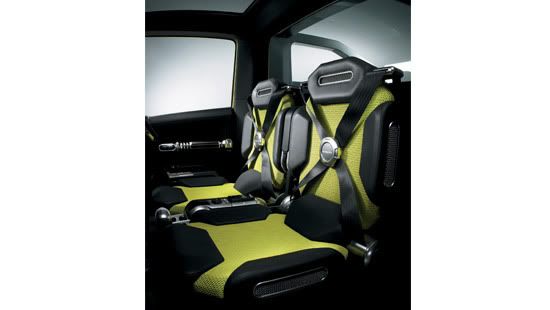
Twingo places the emphasis on onboard comfort, modular design and space, with its clever stowage compartments, a trunk capacity unequalled in its category, and four independant, sliding seats on all versions.